As technology continues to evolve, new tools, concepts, and platforms regularly emerge, each designed to solve specific problems or improve existing processes. One term that has recently attracted attention is Tracqueur. Although many people have come across the name, beginners often struggle to understand what it actually means, how it works, and whether it is worth exploring.
If you’re new to Tracqueur, this guide is designed specifically for you. We’ll explain the fundamentals in simple language, explore its core principles, discuss its features and benefits, and provide practical tips to help you get started with confidence.
By the end of this article, you’ll have a solid understanding of Tracqueur and know how to make the most of it.
What Is Tracqueur? Understanding the Basics
Definition and Meaning of Tracqueur
Tracqueur is a term that generally refers to a tracking, monitoring, or management system designed to collect, organize, and analyze information efficiently. Depending on its context, Tracqueur may be associated with digital tracking, performance monitoring, location management, workflow organization, or data analysis.
The primary purpose of Tracqueur is to simplify the process of gathering valuable information while helping users make informed decisions based on accurate data.
Instead of relying on manual record-keeping or scattered information, Tracqueur brings everything together in one organized system.
Why Tracqueur Is Gaining Attention
There are several reasons why Tracqueur has become increasingly popular among individuals and organizations.
First, businesses and professionals are placing greater importance on data-driven decision-making. Accurate information allows users to identify trends, improve efficiency, and solve problems faster.
Second, automation has become a major focus across many industries. Tracqueur often reduces repetitive manual work by automatically collecting and organizing important information.
Finally, modern users value simplicity. Many Tracqueur solutions are designed with user-friendly interfaces, making them accessible even to beginners with little technical knowledge.
Who Can Benefit from Using or Learning About Tracqueur?
Tracqueur can benefit a wide range of users, including:
- Business owners seeking better operational insights
- Project managers tracking team progress
- Marketing professionals analyzing campaign performance
- Developers monitoring system activity
- Students researching tracking technologies
- Individuals organizing personal projects or goals
Because tracking and monitoring are useful across many industries, Tracqueur has broad practical applications.
Key Concepts Every Beginner Should Know
Before diving deeper, it’s helpful to understand several important concepts:
Data Collection: Gathering relevant information from various sources.
Monitoring: Continuously observing activities or performance.
Analysis: Converting raw data into useful insights.
Reporting: Presenting organized information in a readable format.
Automation: Performing repetitive tasks with minimal manual effort.
Understanding these concepts makes it easier to appreciate how Tracqueur functions.
How Tracqueur Works
The Core Principles Behind Tracqueur
Although different Tracqueur systems may vary in functionality, most follow the same basic workflow:
- Collect information.
- Store the collected data.
- Process the information.
- Analyze the results.
- Display useful insights.
- Support better decision-making.
This systematic approach helps users transform raw information into meaningful knowledge.
Main Components and Functionality
Most Tracqueur systems include several essential components.
Data Collection Module
This component gathers information from various sources, such as:
- User input
- Devices
- Applications
- Sensors
- Websites
- Databases
The quality of collected data significantly affects the accuracy of the final results.
Storage System
Collected information must be stored securely for future access. Modern Tracqueur systems often use cloud storage or centralized databases that make retrieval fast and reliable.
Processing Engine
Raw information is rarely useful on its own. The processing engine cleans, organizes, and structures the data into a more meaningful format.
Analytics Module
Once processed, the analytics component identifies patterns, trends, and performance indicators that users can interpret easily.
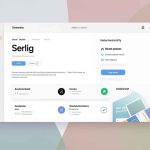
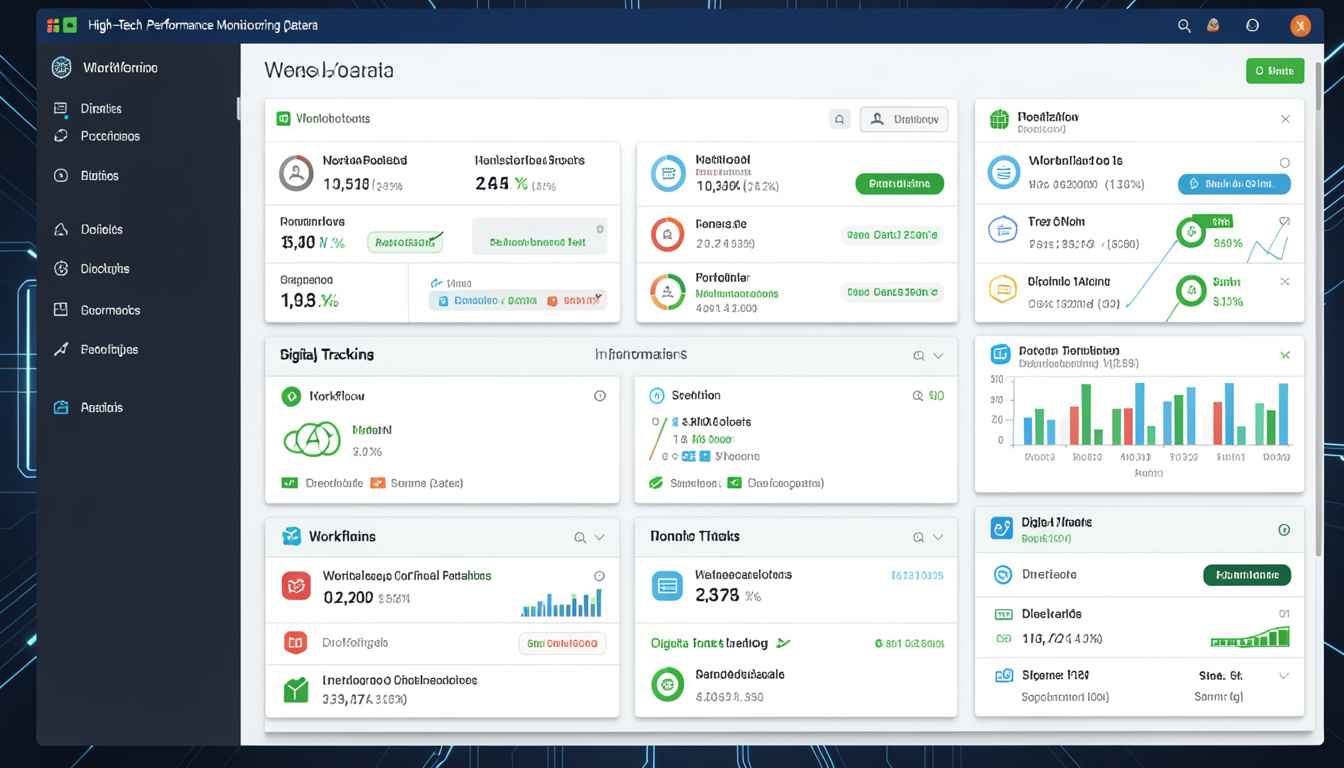
Reporting Dashboard
Most users interact with Tracqueur through dashboards that present information using:
- Charts
- Graphs
- Tables
- Notifications
- Reports
Visual dashboards make complex information much easier to understand.
Step-by-Step Overview of How It Operates
A typical Tracqueur workflow looks like this:
Step 1: Data is collected automatically or manually.
Step 2: The system validates the information.
Step3: Data is securely stored.
Step 4: Information is analyzed.
Step5: Reports are generated.
Step 6: Users review insights and make informed decisions.
This streamlined process reduces manual effort while improving accuracy.
Real-World Examples for Beginners
To better understand Tracqueur, consider these examples.
Business Performance Tracking
A company monitors employee productivity, project completion rates, and operational efficiency using a tracking system.
Website Analytics
Website owners track visitor numbers, user behavior, traffic sources, and conversion rates to improve performance.
Logistics Monitoring
Transportation companies monitor vehicle locations, delivery schedules, and route efficiency.
Personal Goal Tracking
Individuals use tracking tools to monitor habits, exercise routines, study hours, or financial spending.
Each example demonstrates how Tracqueur helps users organize information and improve decision-making.
Key Features and Benefits of Tracqueur
Standout Features That Make Tracqueur Unique
Several features contribute to Tracqueur’s growing popularity.
Real-Time Monitoring
Many systems provide live updates, allowing users to respond quickly to changing situations.
Automated Data Collection
Automation reduces manual work while improving consistency and accuracy.
Custom Dashboards
Users can personalize dashboards to focus on the information most relevant to their goals.
Data Visualization
Graphs and charts simplify complex datasets, making analysis more intuitive.
Reporting Tools
Built-in reporting features generate summaries that can be shared with teams or stakeholders.
Notifications and Alerts
Users receive alerts whenever important events or changes occur.
Primary Advantages for Users
Improved Decision-Making
Reliable information helps users make more confident decisions.
Increased Efficiency
Automation saves time by eliminating repetitive manual tasks.
Better Organization
Centralized information is easier to manage than scattered records.
Higher Accuracy
Automated systems reduce the likelihood of human error.
Greater Productivity
Users spend less time gathering information and more time acting on insights.
Enhanced Visibility
Comprehensive tracking provides a clearer understanding of ongoing activities.
Common Use Cases and Practical Applications
Tracqueur can be applied in numerous situations.
Examples include:
- Project management
- Digital marketing
- Customer relationship management
- Website monitoring
- Fleet management
- Inventory tracking
- Financial reporting
- Healthcare administration
- Educational research
- Personal productivity
Its flexibility makes it valuable across multiple industries.
Potential Limitations to Keep in Mind
Despite its advantages, Tracqueur also has certain limitations.
Learning Curve
Some advanced features may require time to master.
Data Quality
Poor-quality input produces unreliable results.
Privacy Concerns
Organizations must ensure responsible handling of sensitive information.
System Costs
Enterprise-level tracking platforms may require subscription fees or infrastructure investments.
Technical Requirements
Certain implementations may require software integration or specialized expertise.
Being aware of these limitations helps users set realistic expectations.
Getting Started with Tracqueur
Essential Requirements Before Using Tracqueur
Before beginning, consider the following:
- Define your tracking goals.
- Identify the information you want to monitor.
- Ensure reliable data sources.
- Choose an appropriate Tracqueur solution.
- Learn the basic interface and settings.
Starting with clear objectives makes implementation much easier.
Best Practices for Beginners
Start Small
Focus on a limited number of metrics before expanding your tracking system.
Maintain Accurate Data
Regularly verify that collected information remains correct and up to date.
Review Reports Frequently
Consistent monitoring helps identify trends before problems become serious.
Learn the Dashboard
Spend time understanding available reports, filters, and customization options.
Keep Security in Mind
Protect sensitive information with strong passwords and proper access controls.
Continue Learning
As your experience grows, gradually explore more advanced features.
Common Mistakes to Avoid
Many beginners make similar errors.
Avoid these common mistakes:
- Tracking too much information at once
- Ignoring data accuracy
- Failing to review reports regularly
- Overcomplicating dashboard settings
- Neglecting backups
- Making decisions without sufficient data
Avoiding these pitfalls leads to a much smoother learning experience.
Tips for Maximizing Results
To get the most from Tracqueur:
- Set clear objectives.
- Track meaningful metrics.
- Review performance consistently.
- Update your tracking strategy regularly.
- Automate repetitive tasks whenever possible.
- Share reports with relevant team members.
- Use insights to guide future improvements.
Continuous improvement is one of the greatest strengths of any tracking system.
Frequently Asked Questions About Tracqueur
Is Tracqueur Suitable for Beginners?
Yes. Many Tracqueur systems are designed with intuitive interfaces and beginner-friendly dashboards. While advanced features may require practice, most users can quickly learn the basics through regular use.
What Are Its Main Advantages and Challenges?
The primary advantages include:
- Better organization
- Faster decision-making
- Increased productivity
- Automated workflows
- Accurate reporting
Common challenges include:
- Initial learning curve
- Data quality management
- Privacy considerations
- Integration with existing systems
Fortunately, these challenges become easier to manage with experience.
How Can Users Improve Their Experience?
Users can improve their experience by:
- Setting realistic goals
- Learning one feature at a time
- Reviewing reports consistently
- Keeping information accurate
- Staying updated with new features
- Practicing regularly
Over time, these habits help users unlock the full value of Tracqueur.
Final Thoughts and Key Takeaways
Tracqueur represents an effective approach to tracking, monitoring, and organizing information. Whether used for business operations, project management, analytics, or personal productivity, it simplifies data collection while providing valuable insights that support better decision-making.
For beginners, the most important step is understanding the core concepts rather than trying to master every feature immediately. Start with simple objectives, maintain accurate data, and gradually expand your knowledge as you become more comfortable with the system.
As digital transformation continues across industries, tracking technologies like Tracqueur will likely play an increasingly important role in improving efficiency, productivity, and informed decision-making. By learning the fundamentals now, you’ll be well prepared to take advantage of its capabilities as your needs grow.