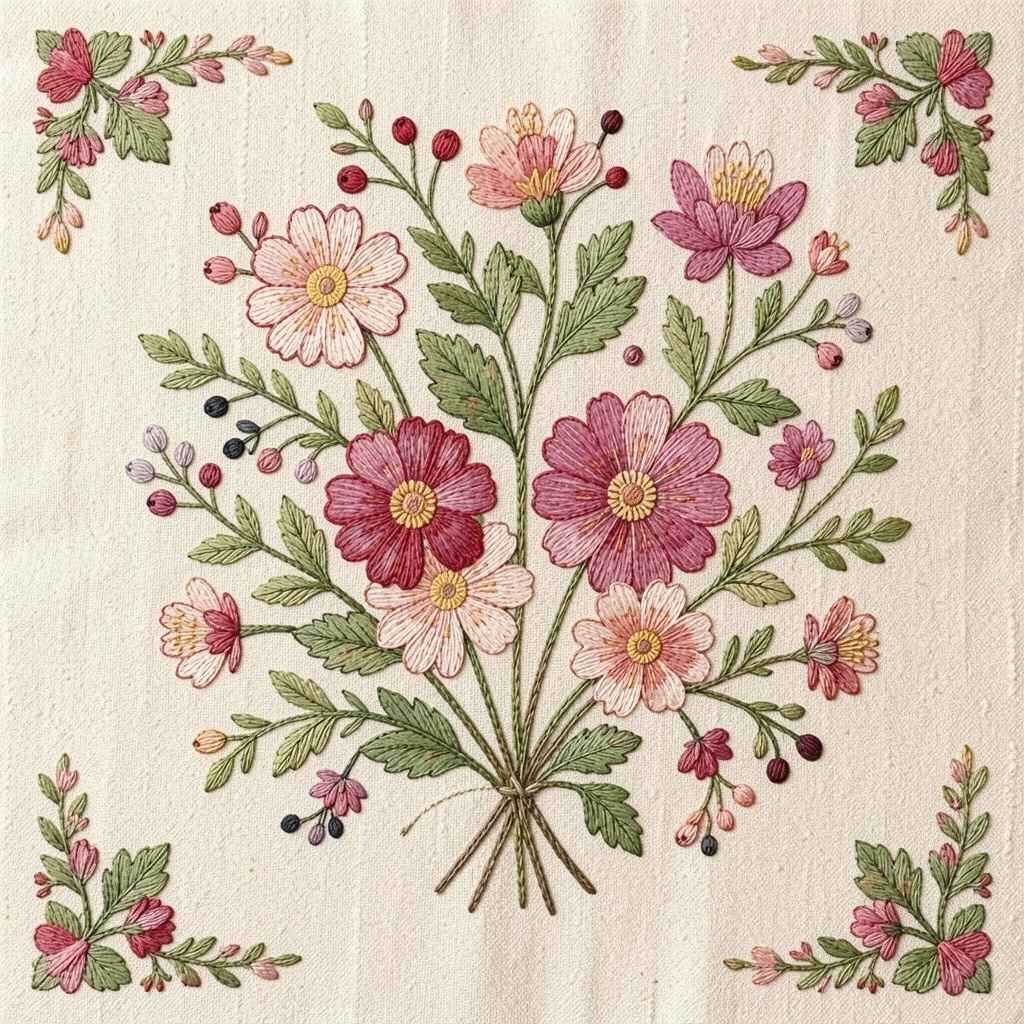
Decorative elements play a major role in creating beautiful and welcoming living spaces. Among the many décor trends gaining popularity today, pyntekvister have become a favorite choice for homeowners, interior designers, and event decorators. Their natural appearance, versatility, and ability to complement almost any design style make them an attractive addition to modern interiors.
Whether used as a centerpiece, displayed in a vase, or incorporated into seasonal decorations, pyntekvister offer a simple yet elegant way to enhance any space. If you’re new to the concept, this guide will help you understand what pyntekvister are, the different types available, their benefits, and how to use them effectively in your home or event décor.
Understanding Pyntekvister: Meaning, Purpose, and Growing Popularity
What Pyntekvister Are and What the Term Means
Pyntekvister is a Norwegian word that literally translates to “decorative branches” or “ornamental twigs”. It is a popular design element in Scandinavian interior decor, used to bring natural, rustic elements into modern living spaces
The word pyntekvister originates from Scandinavian languages and generally refers to decorative branches or ornamental twigs used for interior decoration. These branches may be natural, preserved, or artificial and are designed to add texture, height, and visual interest to a room.
Unlike fresh flowers that require frequent replacement, pyntekvister often provide a long-lasting decorative solution that maintains its beauty throughout the year.
The Role of Pyntekvister in Modern and Traditional Décor
Pyntekvister have been used for generations in Scandinavian homes where natural materials are highly valued in interior design. Traditionally, decorative branches were collected from nature and arranged indoors to bring a sense of the outdoors inside.
Today, pyntekvister are used in both traditional and modern settings. They fit seamlessly into minimalist interiors, rustic homes, contemporary apartments, and even luxury spaces. Their simple yet elegant appearance allows them to complement a wide range of decorative styles.
Why Homeowners and Decorators Use Pyntekvister
Many people choose pyntekvister because they offer an effortless way to enhance a room without extensive decorating. A carefully arranged collection of decorative branches can instantly add sophistication and character to a space.
Interior designers often use pyntekvister because they:
- Create visual height and dimension
- Add natural textures to a room
- Complement seasonal decorations
- Require minimal maintenance
- Work well in both large and small spaces
Key Characteristics That Make Pyntekvister Unique
Several qualities distinguish pyntekvister from other decorative items:
- Natural and organic appearance
- Wide variety of styles and materials
- Suitable for every season
- Long-lasting decorative value
- Easy integration into existing décor
Their ability to provide elegance without overwhelming a room makes them a versatile decorating accessory.
Common Places Where Pyntekvister Are Displayed
Pyntekvister can be found in many areas of a home or commercial space, including:
- Living room centerpieces
- Entryway displays
- Dining table arrangements
- Office reception areas
- Hotel lobbies
- Wedding venues
- Retail displays
Because they are available in various sizes, they can be adapted for both compact and spacious environments.
Types of Pyntekvister and Their Decorative Uses
Natural vs. Artificial Pyntekvister
One of the first decisions buyers face is choosing between natural and artificial pyntekvister.
Natural Pyntekvister
Natural pyntekvister are made from real branches, twigs, or preserved plant materials. They provide authentic texture and a genuine organic appearance that many people appreciate.
Advantages include:
- Authentic natural beauty
- Eco-friendly options
- Unique shapes and textures
However, natural branches may require occasional care and may be more fragile over time.
Artificial Pyntekvister
Artificial pyntekvister are manufactured using materials such as plastic, silk, foam, or wire.
Benefits include:
- Exceptional durability
- Consistent appearance
- No watering or special care required
- Suitable for long-term decoration
Modern manufacturing techniques make many artificial options look remarkably realistic.
Popular Styles, Colors, and Designs Available
Today’s market offers a wide range of pyntekvister styles to suit different tastes.
Popular options include:
- White decorative branches
- Birch branches
- Cherry blossom branches
- Eucalyptus stems
- Willow branches
- Glittered holiday branches
- LED-lit decorative branches
Color choices range from natural wood tones to metallic gold, silver, black, and seasonal colors.
Seasonal and Year-Round Pyntekvister Options
Pyntekvister can be adapted for every season.
Spring
- Blossom branches
- Light pastel arrangements
- Fresh green stems
Summer
- Bright floral branches
- Tropical-inspired designs
- Natural greenery
Autumn
- Warm orange and red branches
- Berry accents
- Rustic wooden textures
Winter
- Frosted branches
- Snow-covered designs
- Metallic decorative twigs
Many homeowners also choose neutral styles that remain attractive throughout the year.
How Different Materials Affect Appearance and Durability
The material used significantly impacts the overall look and lifespan of pyntekvister.
Common materials include:
- Natural wood
- Preserved branches
- Plastic
- Silk
- Fabric
- Metal
- Wire
Natural wood offers authenticity, while artificial materials often provide greater longevity and resistance to environmental factors.
Choosing the Right Pyntekvister for Various Interior Themes
Different decorating styles benefit from different types of pyntekvister.
Minimalist Interiors
Choose simple branches with clean lines and neutral colors.
Rustic Homes
Opt for natural wood branches with organic textures.
Modern Spaces
Metallic or sculptural pyntekvister work particularly well.
Scandinavian Design
Light-colored natural branches complement the simplicity of Scandinavian décor.
Luxury Interiors
Gold, silver, or crystal-enhanced branches can create an upscale appearance.
Benefits of Using Pyntekvister in Home and Event Decoration
Enhancing Visual Appeal Without Major Renovations
One of the greatest advantages of pyntekvister is their ability to transform a room without expensive remodeling. A well-placed arrangement can serve as a focal point and elevate the overall design.
This makes pyntekvister an excellent option for renters and homeowners seeking affordable decorating solutions.
Creating a Natural and Elegant Atmosphere
Natural elements have a calming effect on interior spaces. Pyntekvister help introduce organic textures that soften modern furnishings and create a balanced environment.
Their subtle beauty contributes to a sophisticated atmosphere without excessive ornamentation.
Low-Maintenance Decorating Solutions
Unlike fresh flowers that require regular care, most pyntekvister need minimal attention.
Advantages include:
- No watering
- Minimal cleaning requirements
- Long-lasting appearance
- Reduced replacement costs
This convenience makes them especially appealing for busy households and commercial spaces.
Versatility for Homes, Offices, and Special Occasions
Pyntekvister are highly adaptable and can be used in a variety of settings.
Examples include:
- Home décor
- Corporate offices
- Restaurants
- Hotels
- Wedding ceremonies
- Birthday parties
- Seasonal celebrations
Their flexibility allows decorators to achieve different looks with the same decorative element.
Cost-Effective Ways to Refresh Interior Spaces
Redecorating can be expensive, but pyntekvister offer a budget-friendly alternative.
A single decorative arrangement can:
- Refresh an outdated room
- Add seasonal interest
- Create visual balance
- Enhance empty corners
Because many options are reusable, they provide excellent long-term value.
How to Choose, Style, and Maintain Pyntekvister
Factors to Consider Before Buying Pyntekvister
Before purchasing pyntekvister, consider the following:
- Room size
- Existing décor style
- Color scheme
- Material preferences
- Budget
- Intended location
Choosing branches that complement the surrounding environment ensures a cohesive appearance.
Matching Pyntekvister with Furniture and Décor Styles
Successful decorating depends on harmony between decorative elements and furnishings.
For example:
- Modern furniture pairs well with sleek branches.
- Rustic furniture benefits from natural wood textures.
- Neutral rooms can be enhanced with colorful branches.
- Bold interiors may look best with understated designs.
Consistency helps create a polished and professional appearance.
Creative Arrangement and Display Ideas
There are countless ways to display pyntekvister creatively.
Popular ideas include:
- Tall floor vases
- Dining table centerpieces
- Wall-mounted branch displays
- Decorative shelf arrangements
- Entryway statement pieces
- Seasonal mantel decorations
Experimenting with different heights and textures can create visually appealing compositions.
Cleaning and Maintenance Tips for Long-Lasting Beauty
Proper maintenance helps preserve the appearance of pyntekvister.
Helpful tips include:
- Dust regularly using a soft cloth
- Use a gentle brush for intricate designs
- Keep away from excessive moisture
- Avoid direct sunlight when possible
- Store seasonal branches carefully when not in use
These simple steps can significantly extend their lifespan.
Common Mistakes to Avoid When Decorating with Pyntekvister
Many beginners make avoidable decorating mistakes.
Common issues include:
- Using branches that are too large for the space
- Overcrowding arrangements
- Ignoring color coordination
- Choosing styles that clash with existing décor
- Neglecting regular cleaning
A balanced and thoughtful approach usually produces the best results.
Beginner’s Guide to Decorating with Pyntekvister
Simple Decorating Ideas Anyone Can Try
Beginners can start with easy projects that require minimal effort.
Ideas include:
- Placing decorative branches in a clear glass vase
- Creating a seasonal table centerpiece
- Decorating shelves with small branch arrangements
- Adding branches to entryway displays
These simple changes can make a noticeable impact.
DIY Inspiration Using Pyntekvister
Creative individuals can customize pyntekvister for unique decorative projects.
DIY ideas include:
- Painting branches in metallic colors
- Adding decorative lights
- Creating holiday ornaments
- Designing wall art installations
- Combining branches with dried flowers
Personalized projects often create one-of-a-kind decorative pieces.
Trends Shaping Modern Pyntekvister Décor
Several trends are influencing the popularity of pyntekvister today.
Current favorites include:
- Sustainable natural materials
- Minimalist arrangements
- Scandinavian-inspired interiors
- LED-enhanced decorative branches
- Neutral color palettes
- Mixed-texture displays
These trends reflect the growing preference for simple yet elegant living spaces.
Where to Find Quality Pyntekvister
Quality pyntekvister can be found through various sources.
Popular options include:
- Home décor stores
- Garden centers
- Furniture retailers
- Craft supply shops
- Specialty décor boutiques
- Online marketplaces
Comparing materials and craftsmanship before purchasing can help ensure better value.
Final Tips for Achieving a Stylish and Balanced Look
When decorating with pyntekvister, simplicity often produces the most elegant results. Focus on selecting branches that complement your existing décor rather than compete with it.
Consider scale, texture, and color when creating arrangements. Avoid overcrowding spaces and allow decorative branches to stand out naturally. By thoughtfully incorporating pyntekvister into your home or event décor, you can create a welcoming and sophisticated atmosphere that remains stylish throughout the year.
FAQs
What are pyntekvister used for?
Pyntekvister are primarily used for decorative purposes in homes, offices, events, and commercial spaces. They add texture, height, and visual interest to interior designs.
Are pyntekvister made from real branches or artificial materials?
They can be made from both real and artificial materials. Natural pyntekvister use real branches, while artificial versions are typically made from plastic, silk, wire, or other decorative materials.
How do I decorate my home with pyntekvister?
You can place them in vases, create table centerpieces, decorate shelves, enhance entryways, or use them as part of seasonal displays.
Can pyntekvister be used outdoors?
Some pyntekvister are suitable for outdoor use, especially those made from weather-resistant materials. Always check product specifications before placing them outside.
How do I clean and maintain pyntekvister?
Regular dusting, gentle cleaning, and proper storage help maintain their appearance. Keep them away from excessive moisture and direct sunlight whenever possible.
What styles of pyntekvister are most popular today?
Popular styles include natural birch branches, eucalyptus stems, blossom branches, minimalist Scandinavian designs, LED-lit branches, and metallic decorative twigs.