
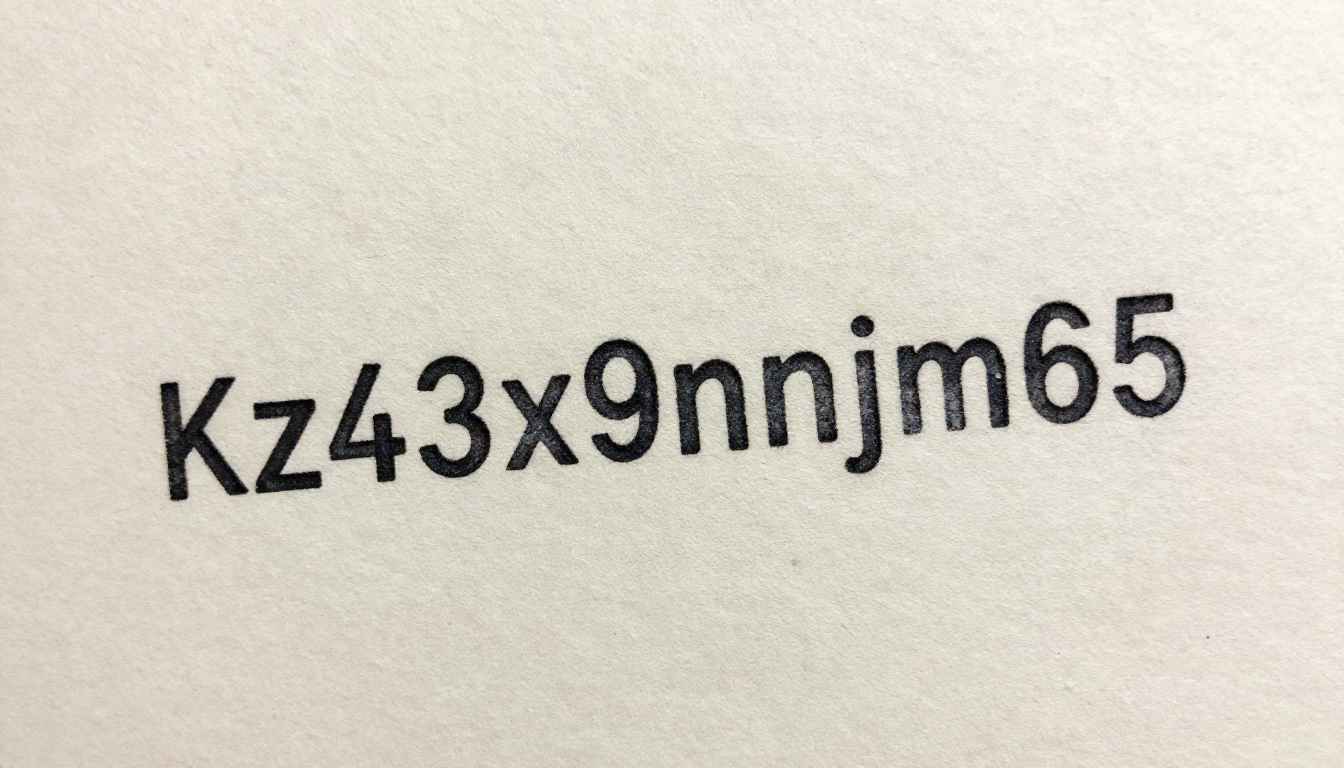
In today’s digital world, strange-looking strings of letters and numbers appear everywhere. You may encounter them in URLs, software logs, databases, cloud platforms, authentication systems, or online transactions. One example is kz43x9nnjm65, a machine-generated alphanumeric identifier that has no inherent universal meaning but serves an important technical purpose.
At first glance, kz43x9nnjm65 may seem like a random collection of characters. However, identifiers like this play a critical role in helping computers organize, track, secure, and manage information. While humans prefer meaningful names, digital systems often require unique identifiers that are precise, scalable, and difficult to duplicate.
This guide explains what kz43x9nnjm65 is, how it works, where it is used, its benefits, and what beginners should know about similar identifiers.
Understanding kz43x9nnjm65: Meaning, Purpose, and Key Basics
What Is kz43x9nnjm65?
kz43x9nnjm65 is a machine-generated alphanumeric identifier. It consists of letters and numbers arranged in a format designed to create uniqueness rather than readability.
Unlike product names, domain names, or branded technologies, this identifier does not carry a predefined meaning. Instead, its value comes from its ability to represent a specific record, event, session, transaction, file, or object within a digital system.
Why Is It Gaining Attention?
Many users become curious when they encounter unfamiliar codes in applications, databases, or website addresses. Because identifiers such as kz43x9nnjm65 appear random, they often attract attention and prompt questions regarding their purpose.
As digital systems become increasingly complex, unique identifiers are appearing more frequently in public-facing environments, making people more aware of their existence.
Possible Meanings and Interpretations
The exact meaning of kz43x9nnjm65 depends entirely on the system that created it. It could represent:
- A user session
- A database record
- A transaction reference
- A software build
- A file identifier
- A tracking token
- An internal project code
- A system-generated asset reference
Outside the originating system, the identifier usually has no standalone meaning.
Primary Purpose of kz43x9nnjm65
The main purpose of identifiers like kz43x9nnjm65 is to ensure uniqueness. Digital systems process millions of records every day, and each record must be distinguishable from every other record.
Unique identifiers help:
- Prevent duplication
- Improve organization
- Enable tracking
- Support automation
- Enhance security
- Simplify data management
Key Characteristics
Identifiers such as kz43x9nnjm65 typically share several characteristics:
- Unique and non-repeating
- Machine-readable
- Scalable across large systems
- Difficult to predict
- Efficient for database indexing
- Compatible across platforms
Why Beginners Should Understand kz43x9nnjm65
Understanding identifiers helps beginners better comprehend how modern technology operates behind the scenes. From online banking and e-commerce to cloud computing and mobile apps, unique identifiers are essential components of digital infrastructure.
How kz43x9nnjm65 Works and Its Core Components
The Basic Structure Behind kz43x9nnjm65
The identifier combines letters and numbers into a structured sequence.
Example:
kz43x9nnjm65
This structure increases the number of possible combinations, making collisions extremely unlikely.
The identifier’s format may be generated using:
- Random number generation
- Hashing algorithms
- Timestamp-based methods
- Database sequencing systems
- Cryptographic functions
Essential Elements Supporting Functionality
Several components work together when generating identifiers:
Character Set
The identifier uses letters and numbers to maximize available combinations.
Length
Longer identifiers provide more uniqueness and security.
Generation Logic
Algorithms determine how identifiers are created to minimize duplication.
Storage Mechanism
Databases store and retrieve identifiers for efficient access.
Interaction Between Components
The process typically follows these steps:
- A system creates a new object.
- The generator produces a unique identifier.
- The identifier is assigned to the object.
- The object is stored in a database.
- Future operations reference the identifier.
This process ensures accurate identification throughout the object’s lifecycle.
Common Processes Involving kz43x9nnjm65
Identifiers may be used during:
- User authentication
- Session management
- File storage
- Data synchronization
- Transaction processing
- Error tracking
- Software deployment
- Analytics reporting
Factors Affecting Performance
Several factors influence effectiveness:
Uniqueness
A high-quality identifier system minimizes duplicates.
Scalability
The system should support growing datasets.
Security
Predictable identifiers can create vulnerabilities.
Efficiency
Generation and lookup processes should remain fast.
Compatibility
Identifiers should function across multiple environments.
Applications and Benefits of kz43x9nnjm65
Technology and Software Development
Software systems use identifiers extensively.
Examples include:
- User accounts
- API requests
- Database entries
- Cloud resources
- Software versions
E-Commerce
Online stores rely on identifiers for:
- Orders
- Payments
- Shipments
- Customer records
- Product catalogs
Healthcare
Healthcare organizations use identifiers to manage:
- Patient records
- Laboratory results
- Appointments
- Medical devices
Financial Services
Banks and payment providers use unique identifiers for:
- Transactions
- Accounts
- Security monitoring
- Fraud detection
Logistics and Supply Chains
Identifiers help track:
- Inventory
- Packages
- Warehouses
- Delivery routes
Cybersecurity
Security systems depend on identifiers for:
- Access management
- Authentication sessions
- Security logs
- Incident tracking
Benefits for Individuals and Organizations
Improved Organization
Identifiers create structure within large datasets.
Better Accuracy
Unique references reduce confusion.
Faster Retrieval
Systems can quickly locate specific records.
Enhanced Security
Randomized identifiers are harder to predict.
Greater Automation
Automated processes depend on unique references.
Improved Scalability
Organizations can expand operations without losing control of data.
Real-World Example
Imagine an online retailer processing one million orders annually.
Without unique identifiers:
- Orders could be mixed up.
- Tracking would become difficult.
- Customer service would suffer.
With identifiers like kz43x9nnjm65:
- Every order receives a unique reference.
- Tracking becomes straightforward.
- Data remains organized.
Reasons for Growing Popularity
The increasing popularity of cloud computing, automation, artificial intelligence, and digital transformation has created greater demand for reliable identification systems.
As more data is generated, unique identifiers become increasingly valuable.
Getting Started with kz43x9nnjm65
Requirements Before Using Similar Identifiers
Before implementing identifier systems, organizations should consider:
- Database design
- Security requirements
- Scalability goals
- Compliance regulations
- Integration needs
Step-by-Step Approach for Beginners
Step 1: Define Your Purpose
Determine what the identifier will represent.
Step 2: Select a Generation Method
Options include:
- Random generation
- UUID systems
- Hashing
- Sequential numbering
Step 3: Establish Standards
Create consistent naming rules.
Step 4: Implement Storage
Ensure identifiers can be stored efficiently.
Step 5: Test for Uniqueness
Verify that duplicates cannot occur.
Step 6: Monitor Performance
Track reliability and scalability.
Best Practices
- Keep identifiers unique.
- Avoid exposing sensitive information.
- Use secure generation methods.
- Maintain documentation.
- Implement validation checks.
- Regularly audit systems.
Common Mistakes to Avoid
Using Predictable Patterns
Predictable identifiers may create security risks.
Creating Short Identifiers
Short identifiers increase collision probability.
Ignoring Documentation
Poor documentation creates confusion.
Failing to Validate Data
Validation prevents errors.
Overcomplicating the System
Simple solutions often work best.
Helpful Learning Resources
Beginners can learn more through:
- Database management courses
- Cybersecurity training
- Software development tutorials
- Cloud computing certifications
- Technical documentation
Future Trends and Frequently Asked Questions About kz43x9nnjm65
Emerging Developments
Several trends are shaping the future of identifiers:
Artificial Intelligence Integration
AI systems require vast numbers of unique references.
Blockchain Applications
Distributed systems rely heavily on unique identifiers.
Internet of Things (IoT)
Connected devices generate billions of identifiers.
Cloud-Native Infrastructure
Cloud environments continue expanding identifier usage.
Enhanced Security Protocols
Future systems will increasingly prioritize secure identifier generation.
Challenges Users May Encounter
Despite their benefits, identifiers can create challenges:
- Complexity
- Storage overhead
- Synchronization issues
- Security concerns
- Integration difficulties
Proper planning helps minimize these risks.
Future Opportunities
As organizations continue digitizing operations, identifiers will become even more critical.
Future opportunities include:
- Better automation
- Smarter analytics
- Improved interoperability
- Stronger cybersecurity
- Enhanced customer experiences
Frequently Asked Questions
What does kz43x9nnjm65 mean?
It is a machine-generated alphanumeric identifier whose meaning depends on the system that created it.
Is kz43x9nnjm65 dangerous?
No. By itself, it is simply an identifier and does not indicate malware or security threats.
Why does it look random?
Identifiers are intentionally designed to prioritize uniqueness rather than readability.
Can kz43x9nnjm65 be decoded?
Usually not. Most identifiers do not contain hidden messages and only have meaning within their original systems.
Where might I see identifiers like this?
You may encounter them in URLs, databases, software logs, transactions, cloud platforms, and authentication systems.
Why are unique identifiers important?
They help systems organize, track, secure, and manage information efficiently.
Final Thoughts
Although kz43x9nnjm65 may appear to be a meaningless collection of characters, it represents an important concept in modern technology. As a machine-generated alphanumeric identifier, its primary purpose is to provide uniqueness, organization, and reliability within digital systems.
From software development and cybersecurity to healthcare, finance, and e-commerce, identifiers quietly support countless processes behind the scenes. Understanding how they work helps beginners gain deeper insight into the technologies that power today’s connected world.
As digital ecosystems continue expanding, identifiers like kz43x9nnjm65 will remain essential tools for managing information accurately, securely, and efficiently.